
“When I am out on my bike, I leave my dementia monster at home.”
A New Adventure
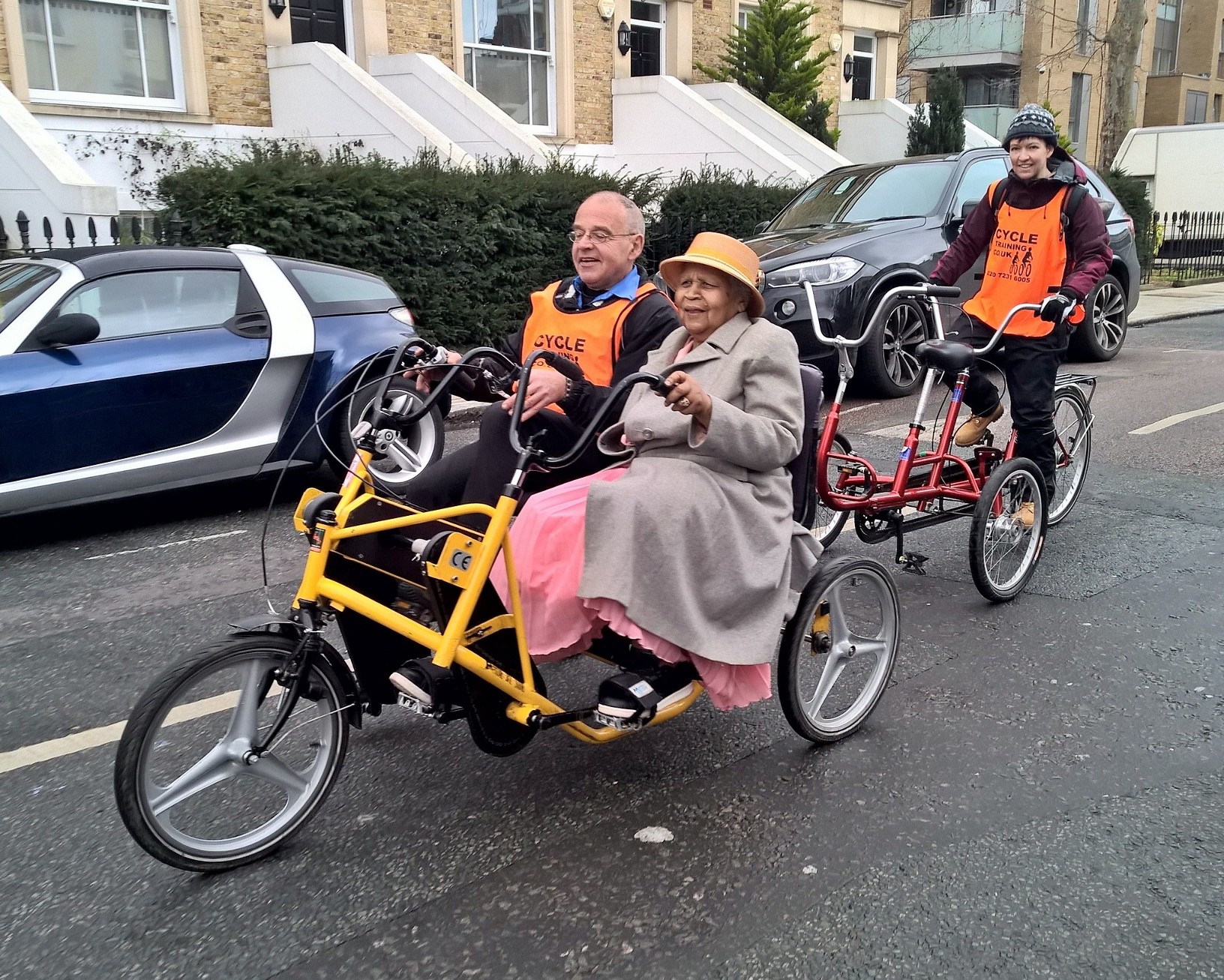
For Brian invited Deb, my wife and I to join the launch of Positive Spin, a celebration of inclusive cycling designed to connect communities and demonstrate that there is a cycling experience for everyone.
I don’t remember, but it was an important example of what I call #MakingMoments.
“What is important to a Moment is the act of social connection, of interaction, of feeling listened to. The ‘in the moment sensation’. That’s what I need and what I enjoy it’s not even about making memories any more. I have accepted I can’t make any more memories; my memory disk is full and it is not rechargeable. I am happy to cling onto the old memories and my acceptance of this is key to my wellbeing.
There is nothing wrong with others making memories around me, but for me it is about making moments. I want as many moments as I can have. I want each moment to follow on from the previous one. These moments keep me going. These usemoments will not change and somehow magically become memories. They never will, so don’t expect me to remember any moment, even if it looks like I am enjoying it. Just enjoy the fact I am happy in that moment. If it is enough for me then it must be enough for you.

Never feel you can’t or shouldn’t help create these moments, because you think. I won’t remember them and what’s the point. The point is precisely the joy of that moment and these moments keep me afloat. And please don’t remind me of the moments I have just had, because they will be long gone, and this will make you sad, and in turn, could make me sad.
The way I see it, living with dementia is like being in a foreign country where noone speaks your language. You wander around feeling lost and isolated and a little scared. Perhaps people are staring at you because you stand out as a foreigner and they can see you are lost. You wonder why you are there and want to go home. Why on earth would you want to being a place where noone will talk to you, where noone understands you? Of what benefit is that to you? And unexpectedly you find someone who does understand you, even if it is on a simplistic level, and you can have a conversation with them. It doesn’t have to be a conversation of any great depth but it is a connection. That is what I call the ‘language of dementia’.
A Whole New Set of Wheels
I’ve come to realise this language is foreign to most people, but I believe it is not that difficult to learn with perseverance. It’s up to others to learn that language and how to use it. And when you find someone who understands you, it’s a great relief and that understanding makes you want to stay out, rather than retreat to the familiar surroundings of home. When I am home for too long, my mind goes foggy and the depression peeks over the chair and waves at me. It’s like my dementia giggling at me, as if he is winning this battle and I either let it drag me down or I continue to fight it as long as I can.
Life isn’t over when you have dementia, it is just different”
For Brian creates opportunities for ‘moments’ of wellbeing, regardless of age, disability or diagnosis. Cycling, parties, music and more.
“Inclusion isn’t about special treatment it’s about designing a world where everyone can belong, whether or not you can see what they need”. Attributed to Robbie Crow (2025)